Buy hotmark.eu ?
We are moving the project
hotmark.eu .
Are you interested in purchasing the domain
hotmark.eu ?
domain@kv-gmbh.de · 0541-91531010
Buy hotmark.eu ?
Which plants are decomposers or decomposers?
Decomposers are organisms that break down dead organic matter, such as leaves, wood, and other plant material. Fungi, such as mushrooms and molds, are the primary decomposers in most ecosystems. Some bacteria and insects also play a role in decomposition. Plants, on the other hand, are not typically decomposers. They are usually producers, using sunlight to create energy through photosynthesis. **
What are decomposers?
Decomposers are organisms that break down dead organic matter, such as dead plants and animals, into simpler substances. They play a crucial role in the ecosystem by recycling nutrients back into the soil, which can then be used by plants for growth. Examples of decomposers include bacteria, fungi, and certain types of insects. Without decomposers, dead organic matter would accumulate and nutrients would not be recycled, leading to a disruption in the balance of the ecosystem. **


Similar search terms for Decomposers
Top-Angebote
Products related to Decomposers:
-
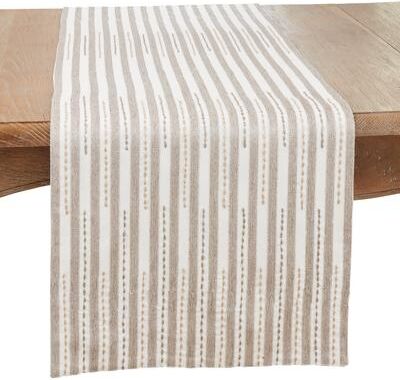
Saro Lifestyle "Sheer Beauty Embroidered Table Runner - 16""x72"""Enhance your dining table with the Sheer Beauty Embroidered Table Runner. This elegant piece adds texture and style to your setup, making every meal feel like a special occasion.35,49 $*Shipping: 0,00 $Secure redirect to the provider
-
Saro Lifestyle "Trendy Fringed Stripe Napkin (Set of 4) - 20""x20"""Introducing the Trendy Fringed Stripe Napkins - where contemporary design meets dining chic. The bold and stylish fringed stripes add a touch of modern flair to your table setting, making every meal a fashion statement.35,26 $*Shipping: 0,00 $Secure redirect to the provider



-
Are these the decomposers?
Yes, the organisms in the image are decomposers. Decomposers are organisms that break down dead organic matter, such as leaves, wood, and other plant material, into simpler substances. They play a crucial role in the ecosystem by recycling nutrients and returning them to the soil for use by plants. The organisms in the image appear to be fungi and bacteria, which are common decomposers in many ecosystems. **
-
What are producers, consumers, and decomposers?
Producers are organisms that create their own food through photosynthesis or chemosynthesis, such as plants and some types of bacteria. Consumers are organisms that obtain their energy by consuming other organisms, such as animals that eat plants or other animals. Decomposers are organisms that break down dead organic matter, such as fungi and bacteria, returning nutrients to the soil for producers to use again. Together, these three groups play a vital role in the flow of energy and nutrients in an ecosystem. **
-
What is a good explanation for decomposers?
Decomposers play a crucial role in ecosystems by breaking down dead organic matter, such as plants and animals, into simpler substances. This process releases nutrients back into the soil, which can then be used by plants for growth. Without decomposers, dead organic matter would accumulate, leading to a decrease in nutrient availability and hindering the recycling of essential elements in the ecosystem. Ultimately, decomposers help maintain the balance and health of ecosystems by facilitating the breakdown and recycling of organic matter. **
-
What are the tasks of the decomposers?
Decomposers play a crucial role in breaking down dead organic matter, such as dead plants and animals, into simpler substances like carbon dioxide, water, and minerals. By doing so, they help to recycle nutrients back into the ecosystem, making them available for other organisms to use. Decomposers also help to clean up and remove waste from the environment, contributing to the overall health and balance of ecosystems. **

Do decomposers exist in desert ecosystems at all?
Yes, decomposers do exist in desert ecosystems. While the extreme conditions of deserts, such as low moisture and high temperatures, can limit the abundance and diversity of decomposers, there are still organisms that play a role in breaking down organic matter. These may include bacteria, fungi, and invertebrates like termites and ants. Their activity is important for nutrient cycling and soil formation in desert environments. **
Looking for good YouTubers for beauty, fashion, and lifestyle?
If you are looking for good YouTubers for beauty, fashion, and lifestyle content, some popular and highly recommended creators include Zoella, Tanya Burr, and Ingrid Nilsen. These creators consistently produce high-quality videos on makeup tutorials, fashion hauls, and lifestyle tips. Additionally, channels like Jackie Aina, Patricia Bright, and Jenn Im offer diverse perspectives and content within the beauty, fashion, and lifestyle genres. **
Top-Angebote
Products related to Decomposers:
-
Beauty Works Winter Wellness (Worth £41.98)Restore and revive your hair with the Beauty Works Winter Wellness Gift Set. Featuring Beauty Works Restore Mask, Argan Serum, Towel Turban, and Scalp Massager for ultimate hydration, shine, and relaxation. Perfect for winter hair care! This set includes: Restore Mask 250ml: Revive dry, dehydrated hair in just 10 minutes. This Beauty Works Restore Mask in 250ml is a must have addition to your haircare routine - if you're looking for a fast acting treatment that rejuvenates and hydrates your locks then you've found it! Argan Serum 90ml: A hair oil that will have you coming back for more... Healthy looking and feeling hair in seconds, the Beauty Works Argan Oil Serum 90ml has been specially formulated to rejuvenate your locks whenever you need. Towel Turban Scalp Massager Ingredients Aqua [Water], Cetearyl alcohol, Propylene glycol, Behentrimonium chloride, Cetyl esters, Glyceryl stearate, Paraffin, Amodimethicone, Phenyl trimethicone, Sesamum indicum (Sesame) seed oil, Copernicia cerifera cera [Copernicia cerifera (Carnauba) wax], Glycerin, Parfum [Fragrance], Phenoxyethanol, Euphorbia cerifera cera [Euphorbia cerifera (Candelilla) wax], PEG-40/PPG-8 methylaminopropyl/Hydroxypropyl dimethicone copolymer, Lactic acid, PEG-8, Trideceth-10, Dipropylene glycol, Cetrimonium chloride, Hexyl cinnamal, Hydrolyzed Verbascum Thapsus Flower, Hydrolyzed chestnut extract, Hydrolyzed walnut extract, Linalool, PEG-8/SMDI copolymer, Palmitoyl myristyl serinate, Sodium polyacrylate, Citric acid, Methylchloroisothiazolinone, Methylisothiazolinone, Sodium benzoate, Potassium sorbate Cyclopentasiloxane, Dimethiconol, C13-14 isoparaffin, Alcohol denat., Parfum [Fragrance], Argania spinosa kernel oil, Methyl hydrogenated rosinate, Hexyl cinnamal, Citronellol, CI 47000 [Yellow 11], CI 26100 [Red 17]24,50 £*Shipping: 0,00 £Secure redirect to the provider
-
Saro Lifestyle "Sheer Beauty Embroidered Table Runner - 16""x72"""Enhance your dining table with the Sheer Beauty Embroidered Table Runner. This elegant piece adds texture and style to your setup, making every meal feel like a special occasion.35,49 $*Shipping: 0,00 $Secure redirect to the provider
-
Which plants are decomposers or decomposers?
Decomposers are organisms that break down dead organic matter, such as leaves, wood, and other plant material. Fungi, such as mushrooms and molds, are the primary decomposers in most ecosystems. Some bacteria and insects also play a role in decomposition. Plants, on the other hand, are not typically decomposers. They are usually producers, using sunlight to create energy through photosynthesis. **
-
What are decomposers?
Decomposers are organisms that break down dead organic matter, such as dead plants and animals, into simpler substances. They play a crucial role in the ecosystem by recycling nutrients back into the soil, which can then be used by plants for growth. Examples of decomposers include bacteria, fungi, and certain types of insects. Without decomposers, dead organic matter would accumulate and nutrients would not be recycled, leading to a disruption in the balance of the ecosystem. **
-
Are these the decomposers?
Yes, the organisms in the image are decomposers. Decomposers are organisms that break down dead organic matter, such as leaves, wood, and other plant material, into simpler substances. They play a crucial role in the ecosystem by recycling nutrients and returning them to the soil for use by plants. The organisms in the image appear to be fungi and bacteria, which are common decomposers in many ecosystems. **
-
What are producers, consumers, and decomposers?
Producers are organisms that create their own food through photosynthesis or chemosynthesis, such as plants and some types of bacteria. Consumers are organisms that obtain their energy by consuming other organisms, such as animals that eat plants or other animals. Decomposers are organisms that break down dead organic matter, such as fungi and bacteria, returning nutrients to the soil for producers to use again. Together, these three groups play a vital role in the flow of energy and nutrients in an ecosystem. **
Similar search terms for Decomposers
-
Saro Lifestyle "Trendy Fringed Stripe Napkin (Set of 4) - 20""x20"""Introducing the Trendy Fringed Stripe Napkins - where contemporary design meets dining chic. The bold and stylish fringed stripes add a touch of modern flair to your table setting, making every meal a fashion statement.35,26 $*Shipping: 0,00 $Secure redirect to the provider
-
Uplifted Finds Womens Asymmetric Off Shoulder Trendy Spicy Girl Fashion Top m whiteElevate your look with this asymmetric off shoulder top designed with a stylish, modern silhouette inspired by todays hottest fashion trends. Its unique onesided neckline highlights your collarbone for a bold, confident look, while the soft,...55,97 $*Shipping: 0,00 $Secure redirect to the provider
-
What is a good explanation for decomposers?
Decomposers play a crucial role in ecosystems by breaking down dead organic matter, such as plants and animals, into simpler substances. This process releases nutrients back into the soil, which can then be used by plants for growth. Without decomposers, dead organic matter would accumulate, leading to a decrease in nutrient availability and hindering the recycling of essential elements in the ecosystem. Ultimately, decomposers help maintain the balance and health of ecosystems by facilitating the breakdown and recycling of organic matter. **
-
What are the tasks of the decomposers?
Decomposers play a crucial role in breaking down dead organic matter, such as dead plants and animals, into simpler substances like carbon dioxide, water, and minerals. By doing so, they help to recycle nutrients back into the ecosystem, making them available for other organisms to use. Decomposers also help to clean up and remove waste from the environment, contributing to the overall health and balance of ecosystems. **
-
Do decomposers exist in desert ecosystems at all?
Yes, decomposers do exist in desert ecosystems. While the extreme conditions of deserts, such as low moisture and high temperatures, can limit the abundance and diversity of decomposers, there are still organisms that play a role in breaking down organic matter. These may include bacteria, fungi, and invertebrates like termites and ants. Their activity is important for nutrient cycling and soil formation in desert environments. **
-
Looking for good YouTubers for beauty, fashion, and lifestyle?
If you are looking for good YouTubers for beauty, fashion, and lifestyle content, some popular and highly recommended creators include Zoella, Tanya Burr, and Ingrid Nilsen. These creators consistently produce high-quality videos on makeup tutorials, fashion hauls, and lifestyle tips. Additionally, channels like Jackie Aina, Patricia Bright, and Jenn Im offer diverse perspectives and content within the beauty, fashion, and lifestyle genres. **
* All prices are inclusive of VAT and, if applicable, plus shipping costs. The offer information is based on the details provided by the respective shop and is updated through automated processes. Real-time updates do not occur, so deviations can occur in individual cases. ** Note: Parts of this content were created by AI.